
Wayanad Heritage Trail
Home to exotic legends, ancient ruins, mysterious mountain caves, aborigine tribes, hidden treasures, tree houses, jungle trails and exotic wild life, Kerala's Wayanad district is the perfect setting for a hundred great adventures!
The hills, rocks and valleys which contribute to the very unique terrain of Wayanad provide for exceptional adventure experiences. Mountains and forests intersperse to create numerous outback trails, trekking routes and opportunities for other adventure sports. With vast areas still unexplored, Wayanad is truly an adventurescape waiting to be discovered!
COME EXPLORE THIS FASCINATING ADVENTURESCAPE!
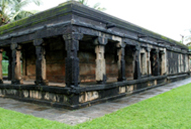
Jain Temple
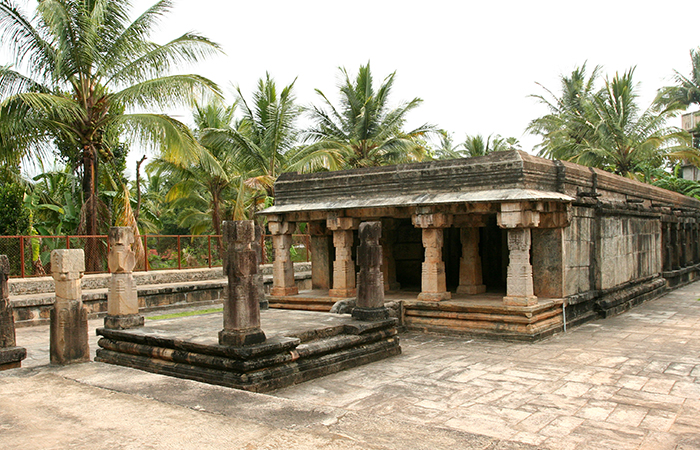
Sultan Bathery Jain Temple is an important pilgrimage site for Jains and a famous tourist spot. This 13th century temple is particularly famous for its wonderful architecture in the Vijaynagar style having carved square pillars and exquisitely designed cornices. The temple was once a Hindu shrine and later served as an ammunition store for the marching armies of Tipu Sultan.
Distance: Kalpetta: 24 kms. Sulthan Bathery 12 km. Mananthavady 41 kms.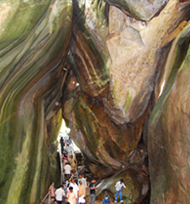
Edakkal Caves
Edakkal Caves is one of the most interesting tourist destinations of Wayanad. The caves are situated about 4000 feet up the Ambukuthi Hills and can only be reached through a wonderful trek route. The caves hold much importance for archeologists and historians from all over the world. These prehistoric caves contain rare stone paintings that are believed to have been created over a time span from 5000 BC to 1000 BC.
The caves were discovered in the year 1890. This ancient dwelling is a wonder for the modern world. A major attraction near the cave is a telescope installed by DTPC that offers a breath-taking view of the surroundings.
Distance: Kalpetta: 28 kms. Sulthan Bathery: 12 kms. Mananthavady: 45 kms.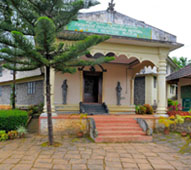
Heritage Museum
Wayanad Heritage Museum is situated in Ambalavayal and is one of the largest and best maintained museums of South India. It contains a rich collection of artifacts that offer insight into the history, heritage and culture of Wayanad. This archeological museum has several remnants of an ancient civilization that existed in the Wayanad region. The exhibits at the museum include stone weapons and carvings, ancient sculptures, hunting aids, potteries belonging to the Megalithic Age, ancient terracotta and many other things having immense archeological and historical value.
Distance: Kalpetta: 25 kms. Sulthan Bathery 10 kms. Mananthavady 42 kms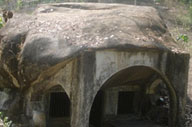
Muniyara
Muniyara is an interesting site located at the foot of the Ambukuthi Hills. Muniyaras are actually ancient burial vaults. These Muniyaras reflect the traditions and ways of life practiced in the Wayanad region during an ancient era.
Stone Age tools and pottery excavated from the site can be seen at the Wayanad Heritage Museum.
Distance: Kalpetta: 27 kms. Sulthan Bathery: 11 kms. Mananthavady: 44 kms.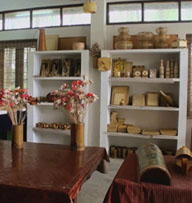
Uravu
Uravu is an NGO that attracts a large number of visitors for the commendable and beautiful work they are doing. The NGO works towards implementing programs for generation of sustainable employment and income for the people belonging to the rural areas.
The NGO is involved in running a successful handicrafts center using natural products, especially bamboo. They create a wide variety of decorative and functional items out of bamboo, which is found abundantly in Wayanad.
Visitors can view and buy the products from their sales outlets situated at Thrikkaipetta and Pookote Lake.
Distance: Kalpetta: 12 kms. Sulthan Bathery23 km. Mananthavady 45 kms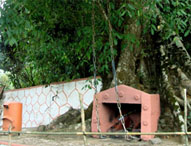
Chain Tree
Chain Tree of Wayanad is a huge Ficus tree, famous for a myth related to it. The local legend has it that once an Adivasi youth named Karinthandan had guided a British Engineer through the tropical forests to reach Wayanad. But the engineer killed the youth to take full credit for the discovery. The spirit of the youth then started to trouble subsequent travellers on their way to Wayanad. Locals believe that a priest had chained the troublesome spirit to this particular tree.
Distance: Kalpetta: 16 kms. Sulthan Bathery: 41 kms. Mananthavady: 51 kms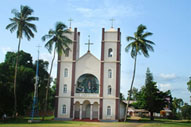
Pallikkunnu Church
Pallikkunnu Church was established in 1905. It is a Latin Catholic Church dedicated to Lourdes Matha and established by French missionary Fr. Jeffrine.
The interesting factor of this church is that it has many rituals similar to those practiced in Hindu temples. The church holds an annual two week festival in February which is attended by a large number of devotees from all over Kerala and nearby states.
Distance: Kalpetta: 19 kms. Sulthan Bathery: 38 kms. Mananthavady: 23 kms.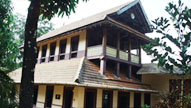
Korome Mosque
Korome Mosque is an ancient structure built about 300 years ago. The architecture is in traditional Kerala style. The mosque stands testimony of communal harmony as it was built by the local Nair community. The annual Uroos festival is celebrated by all communities in the mosque.
Distance: Kalpetta: 47 kms. Sulthan Bathery: 52 kms. Mananthavady: 23 kms.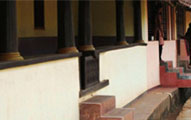
Paingatteri Agraharam
Paingatteri Agraharam is a settlement of Tamil Brahmins. The settlement is famous for the row houses built in the classic architectural style. The residents are believed to be the descendants of the cooks of the royal family of the Kottayam dynasty and migrated from Thanjavur in Tamilnadu.
Distance: Kalpetta: 28 kms. Sulthan Bathery: 23 kms. Mananthavady: 07 kms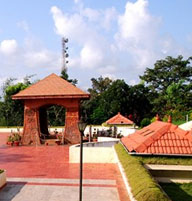
Pazhassi Raja's Tomb
Pazhassi Raja belonged to the Kottayam royal family. He was one of the pioneers of revolution against the East India Company in southern India. He carried out guerilla warfare type attacks on the British forces after taking refuge in the dense Wayanad hills. He was successful for a long time before the British brought in extra forces from Bombay and Madras. He was killed in a fierce encounter at Mavilanthode on 30th November, 1805. Pazhassi Raja's Tomb marks the place where this Lion of Kerala was cremated. There is a small museum beside the tomb where visitors can know more about the heritage of Kerala.
Distance: Kalpetta: 35 kms. Sulthan Bathery: 42 km. Mananthavady: 01 kms.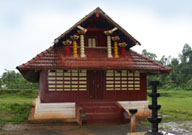
Valliyoor Temple
Valliyoor Temple is a well-known spiritual destination of Wayanad. The temple houses mother goddess Durga as the principal deity. The deity is worshipped in her three incarnation forms, Vana Durga, Jala Durga and Bhadrakali. Devotees from variopus tribal communities of Wayanad attend the 15 day yearly festival held in the month of March/April.
Distance: Kalpetta: 24 kms. Sulthan Bathery: 31 kms. Mananthavady: 5 kms.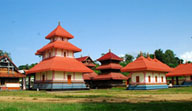
Seetha Lava Kusha Temple
Seetha Lava Kusha Temple is famous for being the only temple dedicated to sons of Lord Rama, Lava and Kush. Locals believe that this region was witness to many important episodes from Ramayana. The temple built by Pazhassi Raja, a great warrior of the Kottayam royal family of Kerala
Distance: Kalpetta: 50 kms. Sulthan Bathery: 25 kms. Mananthavady: 41 kms .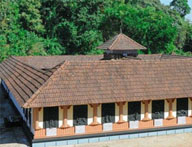
Thrissilery Shiva Temple
Thrissilery Shiva Temple is a glorious example of architectural excellence. The temple, dedicated to Lord Shiva, is related to the Vishnu Temple at Thirunelli in an interesting manner. Locals believe that any performance of ancestral rites carried out at Thirunelli remains incomplete till it is followed by offerings at the Thrissilery Shiva temple. The famous Jala Durga temple is also situated near this temple. Legend has it that the Jala Durga temple was established by the mythical warrior Parashurama.
Distance: Kalpetta: 50 kms. Sulthan Bathery 25 kms. Mananthavadyi 41 kms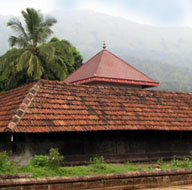
Thirunelli Temple
Thirunelli Temple is an ancient shrine dedicated to Lord Vishnu. The temple exemplifies the famous classic Kerala architectural style. It has an idol of Vishnu in the Chathurbhuja form. Located amidst the picturesque Brahmagiri hills in Wayanad the temple has many legends associated to it. It is believed that the temple was created by Lord Brahma himself. The river flowing near the temple, Papanasini, is believed to wash off all sins of people. The temple is referred to as Dakshina Kasi or the Kasi of the southa and draws pilgrims from all over the world.
Distance: Kalpetta: 64 kms. Sulthan Bathery 71 kms. Mananthavady 29 kms.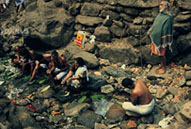
Papanasini, Thirunelli
Papanasini is a mountain spring originating from the Brahmagiri hills of Wayanad. The river flows over the roots, flowers and leaves of medicinal herbs and ancient trees in its course through the mountain and passes very near to the famous Thirunelli Temple. The stream is believed to wash away all worldly sins of anyone taking a dip in it.
Distance: Kalpetta: 64 kms. Sulthan Bathery: 71kms. Mananthavady: 29 kms.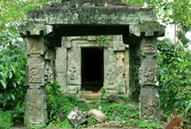
Jain Temples (Ruined)
Wayanad has several significant Jain temples spread across its terrains. The Jain temples, some of them in ruined condition, exemplify the presence of Jains in large number in the Wayanad region. The temples at Punchavayal and Puthenangadi are of the most famous Jain temples in the region. Though the beautifully carved exterior pillars are in a ruined condition, the area still draws a lot of interest from tourists and Jain pilgrims.
Distance: Kalpetta: 20 kms. Sulthan Bathery: 18 kms. Mananthavady: 21 kms. Leisure Trail
 Heritage Trail
 Wildlife Trail
 Outdoor Trail
© www.hotelwhitefort.com 2017 | All Rights Reserved | Designed by 